-
-
-
Kwapa Road, Tororo District
x
l
o
a
d
i
n
g

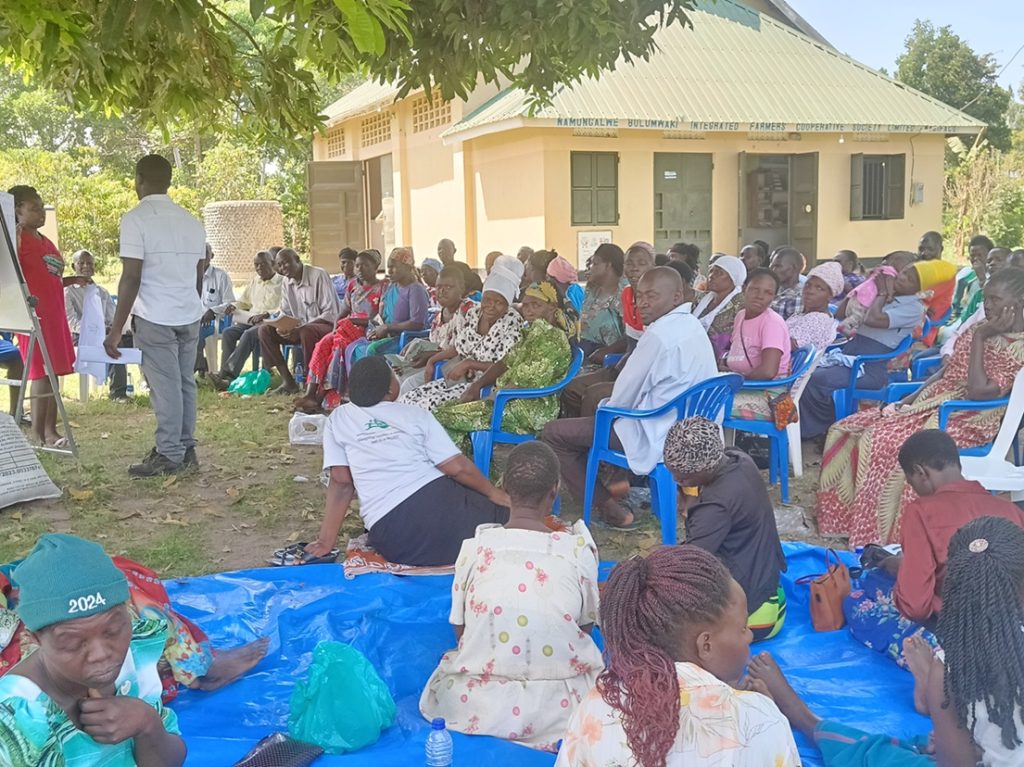
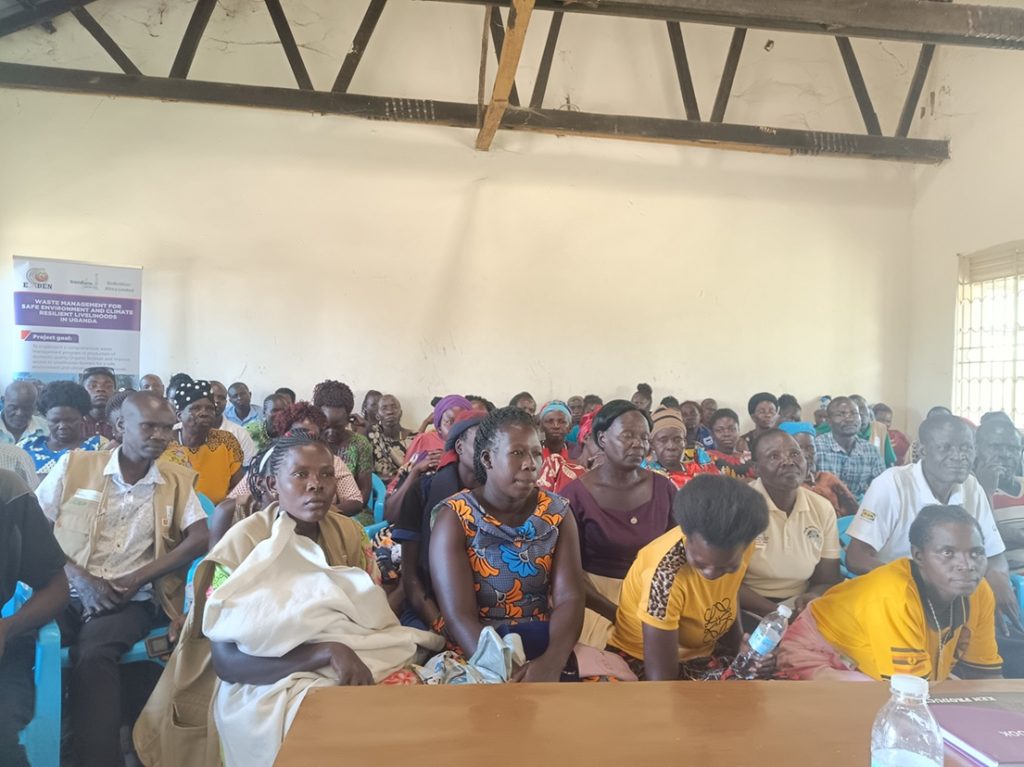
Training Smallholder Farmers on Enterprise Selection Using the PESA Model.
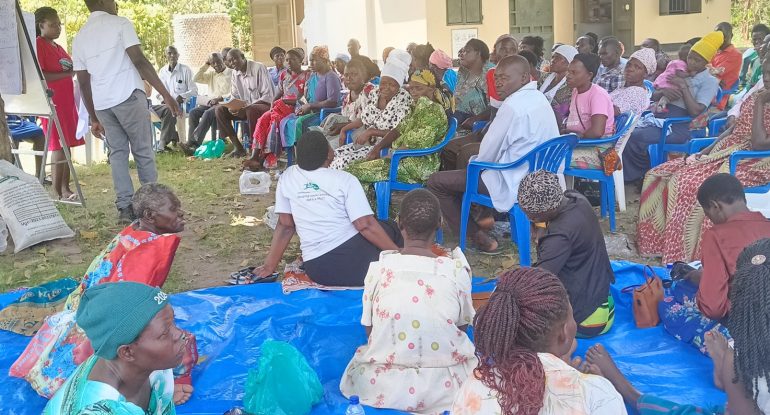
Training Smallholder Farmers on Enterprise Selection Using the PESA Model.
Smallholder farmers play a crucial role in food security and sustainable agriculture. However, one of the key challenges they face is selecting the right enterprise that aligns with market demands, environmental sustainability, and profitability. To address this, a specialized training program was conducted on enterprise selection using the PESA Agroecological Marketing Model.
This initiative was led by EADEN in partnership with Biofertilizer Africa and BACESS Denmark, with funding from the Ministry of Foreign Affairs of Denmark and Danida Green Business Partnership.
About the PESA Agroecological Marketing Model
The PESA (Participatory Ecological Sustainable Agriculture) Model is an innovative framework designed to help farmers adopt sustainable agricultural practices while ensuring their enterprises are market-oriented. It emphasizes:
- Participatory decision-making involving farmers in selecting enterprises based on their capacities and market opportunities.
- Ecological sustainability ensuring that chosen enterprises align with environmentally friendly practices.
- Social inclusion promoting gender equity and youth involvement in agribusiness.
- Agroecological marketing strategies helping farmers access profitable markets and reduce post-harvest losses.
Key Training Highlights
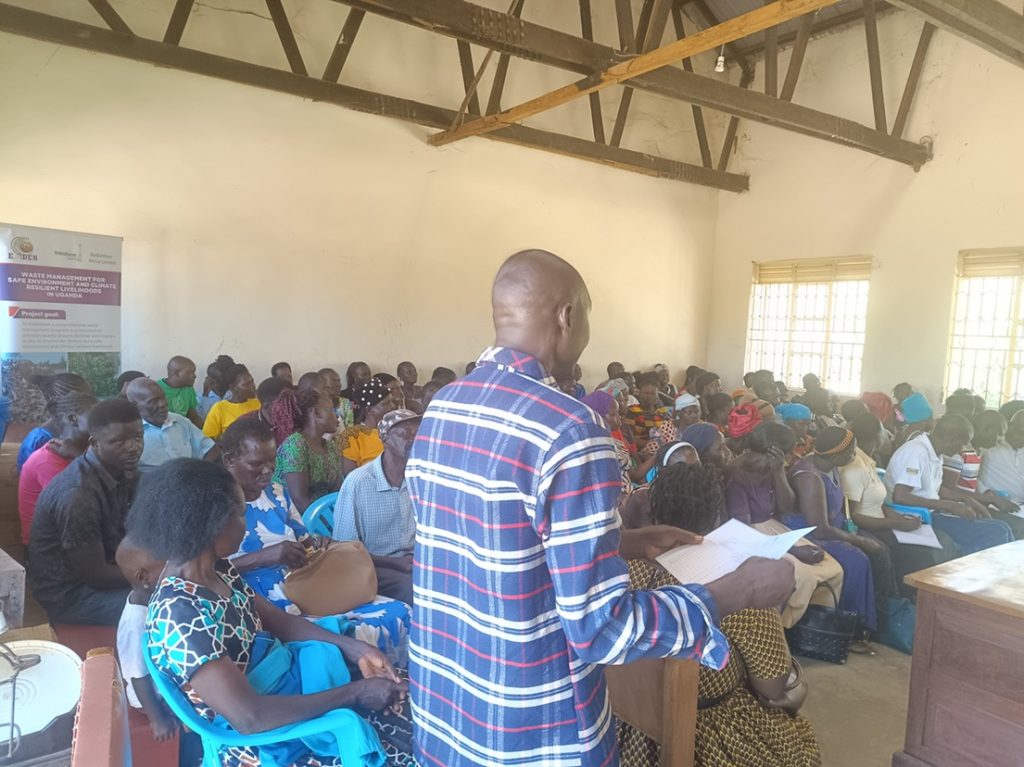
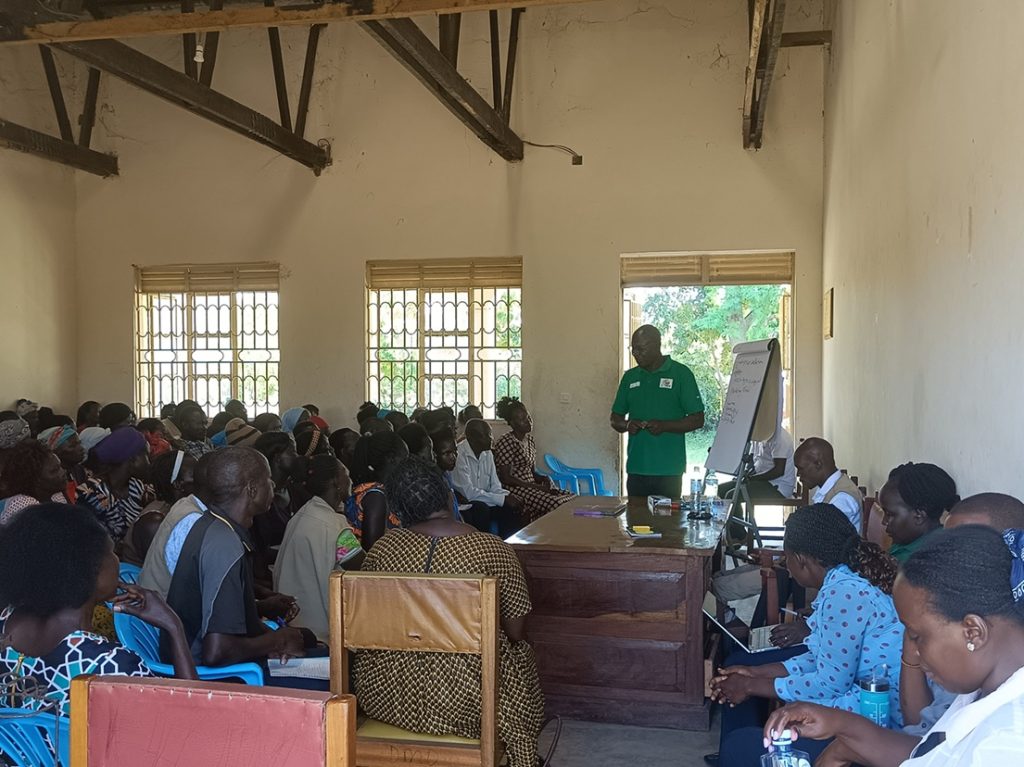
The training sessions focused on equipping farmers with skills and knowledge to make informed decisions regarding enterprise selection. Some of the key topics covered included:
Understanding Market Trends
- Identifying high-demand agricultural products.
- Conducting simple market research.
- Connecting with value chain actors.
Sustainability Considerations
- Assessing climate resilience of different enterprises.
- Integrating agroecological principles in farming.
- Managing natural resources efficiently.
Profitability Analysis
- Cost-benefit analysis of potential enterprises.
- Exploring value addition opportunities.
- Risk management in agribusiness.
Participatory Decision-Making
- Engaging farmer groups in enterprise selection.
- Considering local knowledge and indigenous practices.
- Strengthening community-based market linkages.
Impact on Smallholder Farmers
This training empowered farmers to make better-informed choices about their agricultural enterprises. As a result:
- Farmers selected enterprises that are more profitable and climate-resilient.
- Market linkages were strengthened, increasing access to buyers and fair prices.
- Adoption of agroecological practices improved, reducing environmental degradation.
- Smallholder farmer groups became more organized and participatory in decision-making.
Way Forward
To maximize the impact of this training, continuous mentorship and follow-ups will be conducted. Smallholder farmers will receive guidance on implementing their chosen enterprises effectively. Additionally, efforts will be made to link farmers with financial institutions, extension services, and agroecological markets to ensure sustainability.
The training was conducted in Nyangole (Tororo), Kitodah (Bugiri), Namungalwe (Iganga), and Nabitiri (Mbale City), with a total of 334 participants (217 females, 117 males).
The PESA Agroecological Marketing Model is a game-changer in enterprise selection, ensuring that smallholder farmers thrive in a competitive and ever-changing agricultural landscape. By embracing participatory and sustainable approaches, we can create resilient farming communities that contribute to food security and economic growth.
For more updates on our training programs and initiatives, stay connected with us!
Comments (2)
Leave A Comment

Kyambalango Paul
Great model
Stella Agagi
Thank you Paul