-
-
-
Kwapa Road, Tororo District
x
l
o
a
d
i
n
g

Evergreen Agriculture Initiative in Uganda

Evergreen Agriculture Initiative in Uganda
The Farmers Overseas Action Group, in collaboration with EADEN, has been at the forefront of driving positive change in rural communities of Africa, in particular Eastern Uganda. The Evergreen Agriculture Initiative aims to revolutionize farming practices, promoting sustainability and resilience in the face of climate change challenges.
Explore the impact of this collaborative effort and how it has empowered farmers like Adongo Deborah. From providing essential training to supplying resources such as fertilizer, leguminous shrubs, and silos, this initiative has become a catalyst for change in agriculture.
Transformative Journey: Adongo Deborah’s Success in Conservation Agriculture
Adongo Deborah, a resilient and determined woman residing in Nakawa Village, Muwayo Parish, Buluguyi Sub county, Uganda, has become an inspiration of success in the realm of sustainable agriculture. At 49 years old, Deborah not only shoulders the responsibilities of being the matriarch of her six-member household but also navigates the challenges of single motherhood with grace.
Deborah’s transformative journey began in March 2021 when she was selected as a demonstration farmer for the “Evergreen Agriculture” initiative, a collaborative effort between the Farmers Overseas Action Group and EADEN. Despite facing numerous challenges, including poor soil quality, unpredictable weather patterns, theft of crops, animal destruction, water logging, and the trials of single parenthood, Deborah embraced the opportunity presented by the initiative.
Armed with a modest 30 acres of land, with only four acres under cultivation using rudimentary methods, Deborah committed a quarter-acre for the Evergreen Agriculture project’s trial. Before the intervention, her soil fertility was lacking, and the region’s unreliable rain patterns posed a significant challenge. However, Deborah’s commitment and the support of the initiative brought about a wave of change in her life.
Through the Evergreen Agriculture initiative, Deborah received essential training in good agronomic practices, with a focus on soil and water conservation. She learned precision planting, mulching, composting, and fertilizer application skills. Additionally, she embraced intercropping leguminous shrubs like sesbania and grilicidia, along with incorporating cover crops like desmodium and pigeon peas. The intervention also provided her with 25 kilograms of fertilizers, 10 kilograms of maize seed, 20 kilograms of groundnut seed, assorted pesticides, and a 500-kilogram silo for storage.
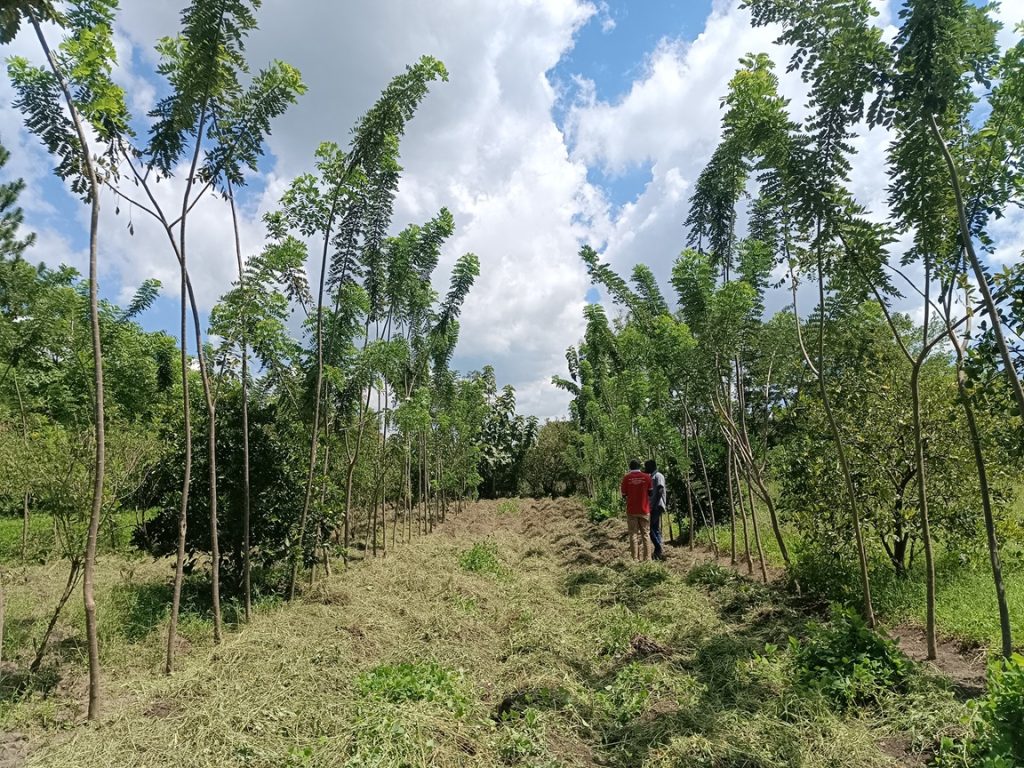
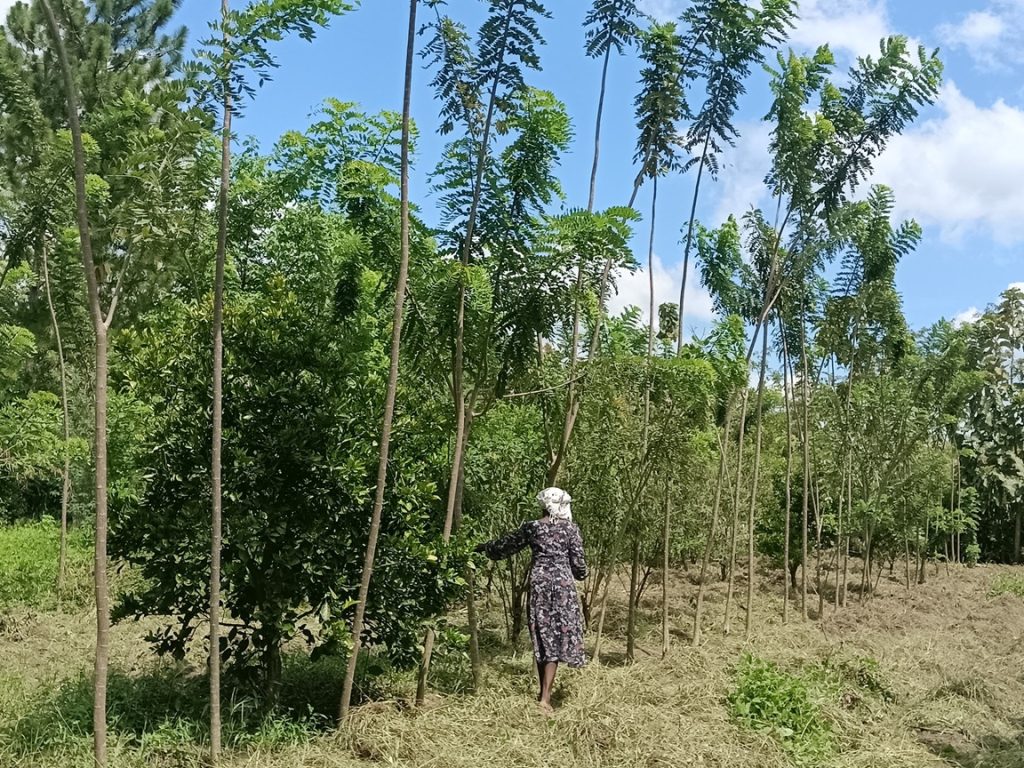
Lines of leguminous shrubs in Deborah’s garden.
The introduction of the silo in Adongo Deborah’s farming practices has significantly elevated the quality of her grain storage. Before the intervention, storage was a challenge, but the silo provided a reliable solution. With a 500-kilogram capacity, the silo not only ensures efficient storage but also protects the grains from pests and environmental factors. This improvement has had a direct impact on preserving the freshness and quality of Deborah’s harvest, contributing to the overall success of the Evergreen Agriculture Initiative in enhancing agricultural sustainability and resilience in Eastern Uganda.
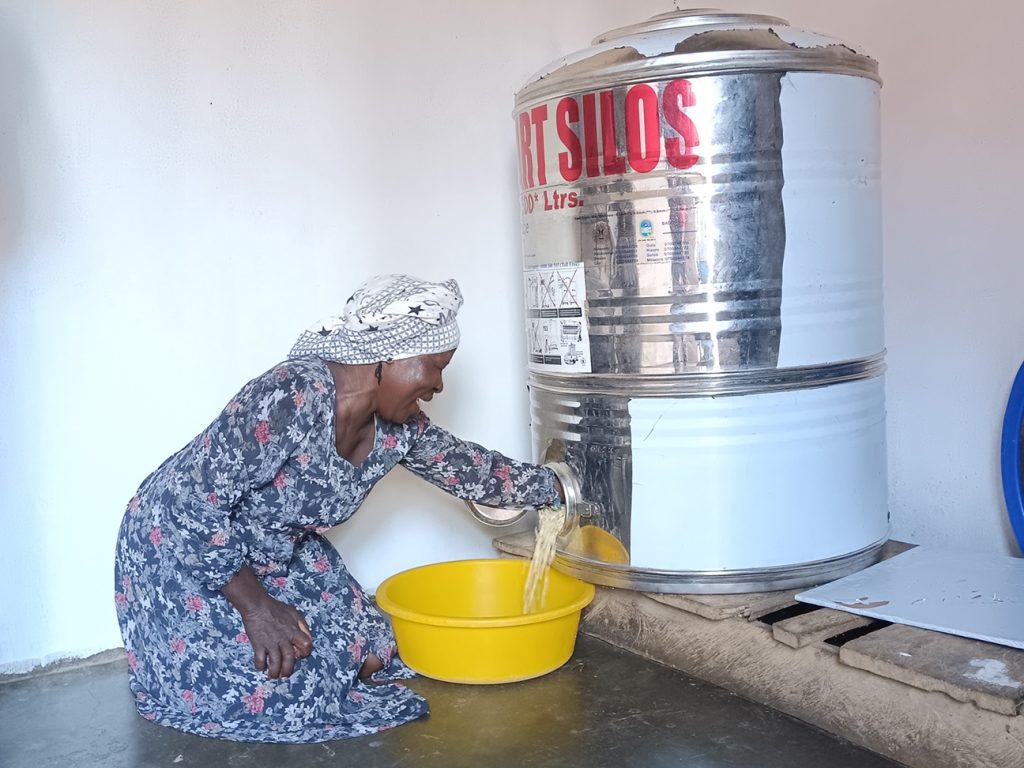
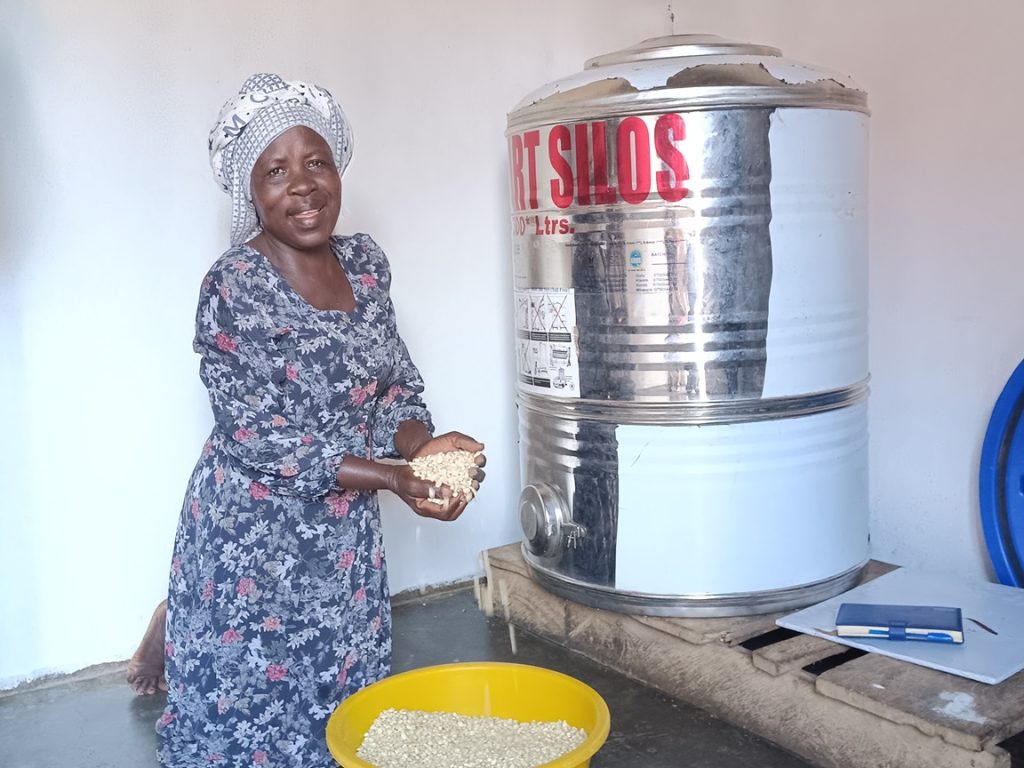
Deborah happily removing maize from her silo.
The impact of these practices on Deborah’s farm was remarkable. Her maize production soared from a meager 50 to over 300 kilograms on the quarter-acre trial plot. She successfully intercropped groundnuts, yielding an additional 150 kilograms. Last season alone, she produced 100 kilograms of peanut butter, generating UGX 1,000,000 that supported her in paying her children’s third term fees.
Deborah also noticed a positive change in soil texture, from brown and hard to black and soft. Buoyed by these successes, she plans to expand her garden from a quarter acre to a full acre in the upcoming season. Speaking about the leguminous shrubs, she remarked, “The leguminous shrubs are magic as they soften the soil, provide shade to the crops, and at the same time feed the crops.”
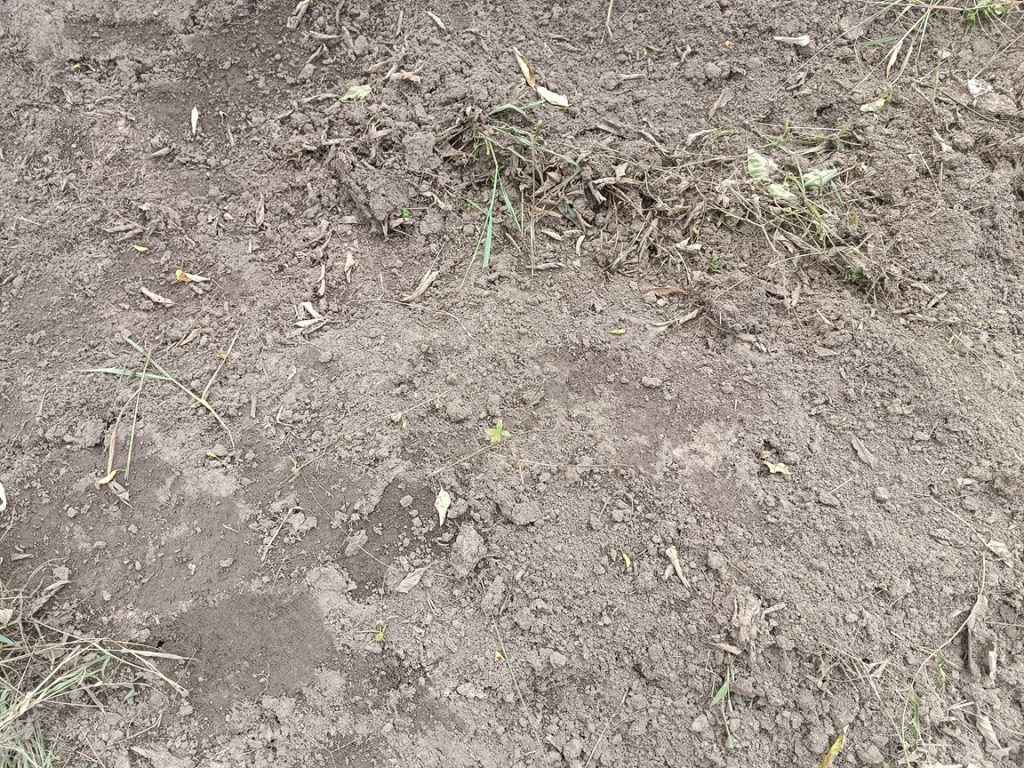
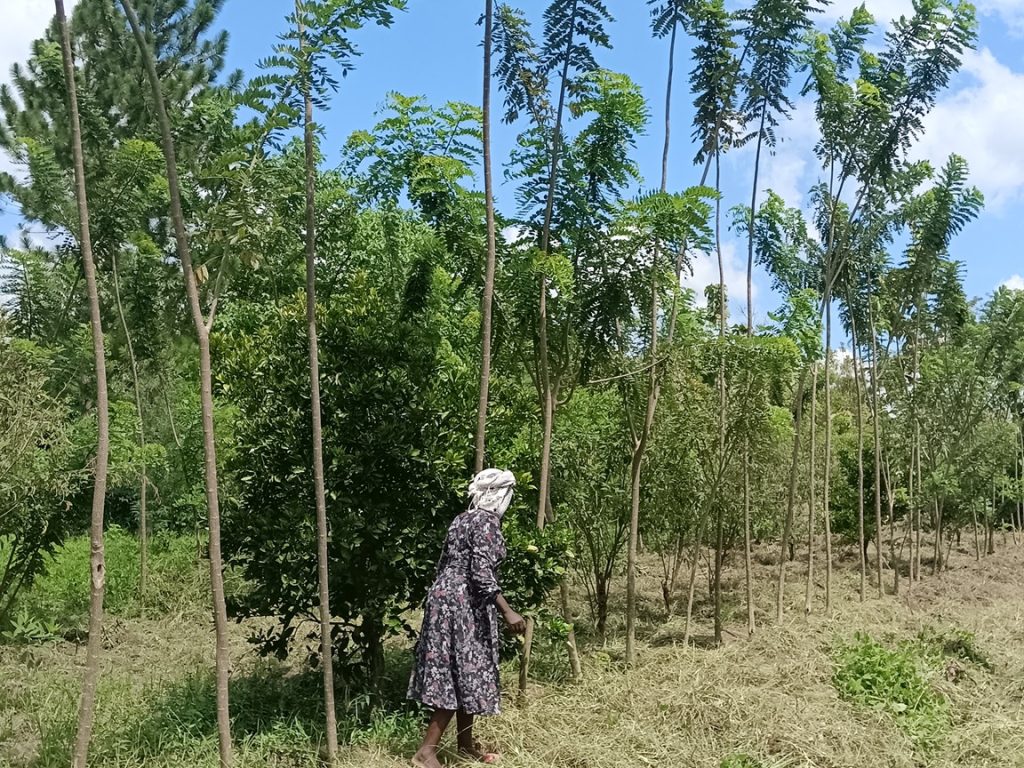
Deborah’s garden established with leguminous shrubs and her soil texture
Beyond the tangible successes, Deborah’s journey is an inspiration. Through the Evergreen Agriculture initiative, she not only improved her family’s food security but also diversified her income streams to support her children’s education, healthcare, and nutrition. Her once barren land has become a symbol of hope and resilience, showcasing the potential for sustainable farming practices in the community.
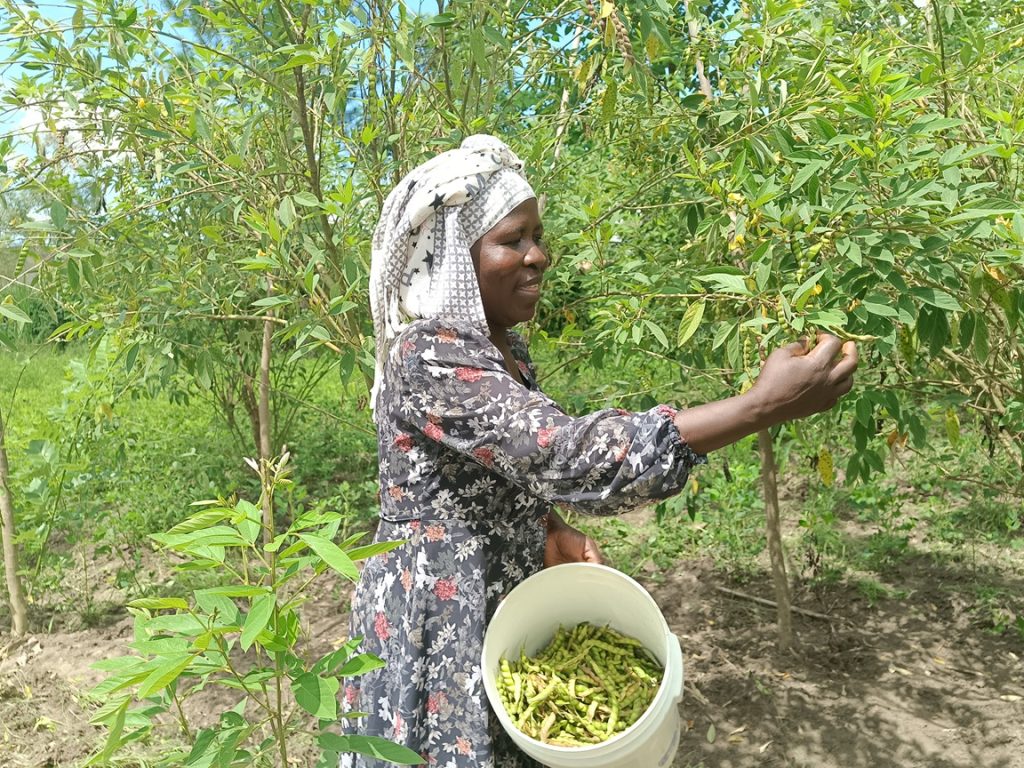
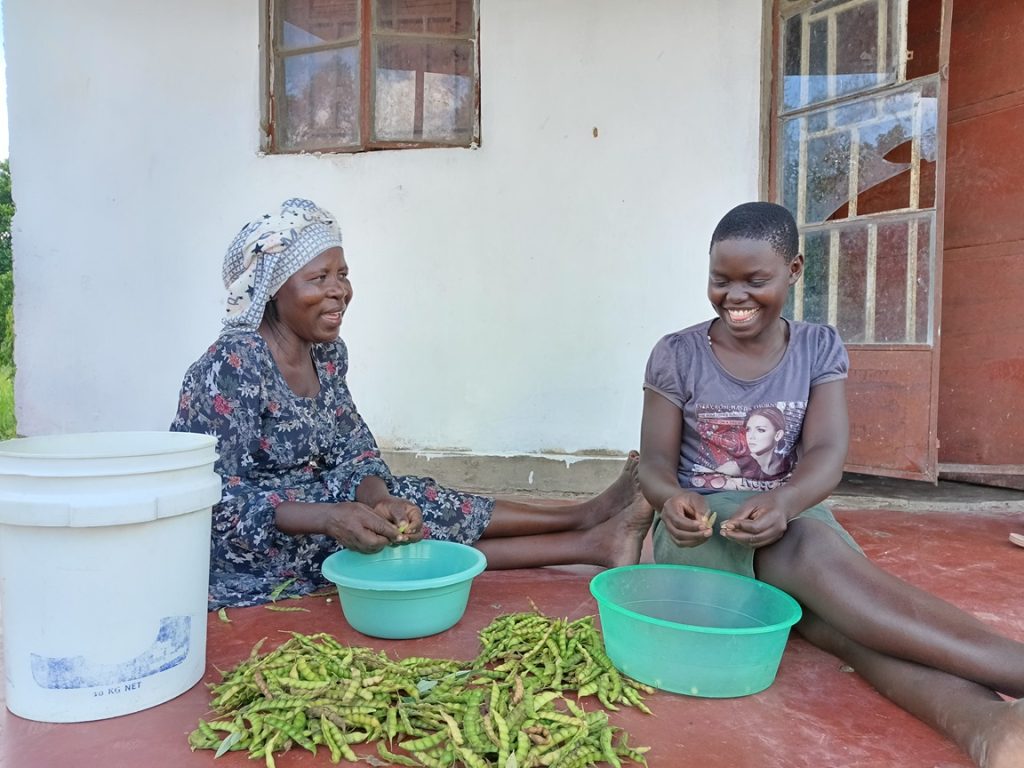
Deborah and her daughter preparing pigeon peas for sauce for the family
In a strategic move for value addition, Deborah acquired a grinding machine, a decision that proved instrumental in transforming her groundnut harvests into a sustainable source of income. This entrepreneurial choice not only added value to her produce but also enabled her to single-handedly finance her children’s education. By independently processing groundnuts into products like peanut butter, Deborah not only diversified her income streams but also demonstrated the power of agro-processing in empowering her to meet educational expenses for her children. This investment in a grinding machine became a key factor in Deborah’s journey toward financial independence and securing a brighter future for her family through education.
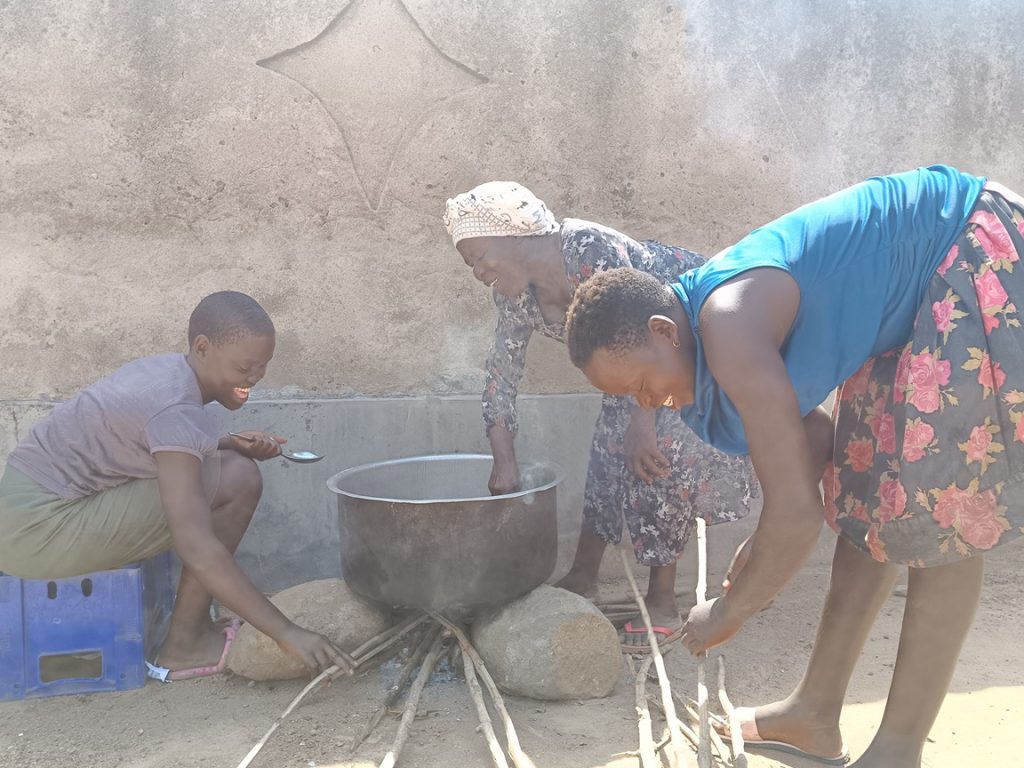
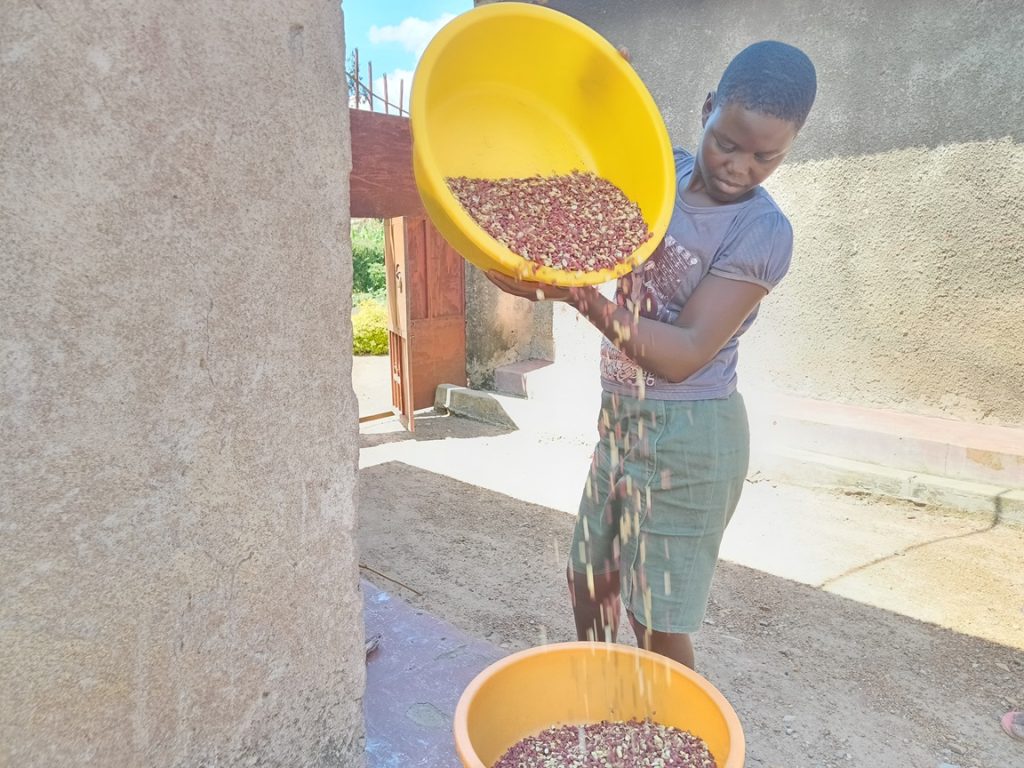
Deborah and her daughters preparing peanut paste from ground nuts
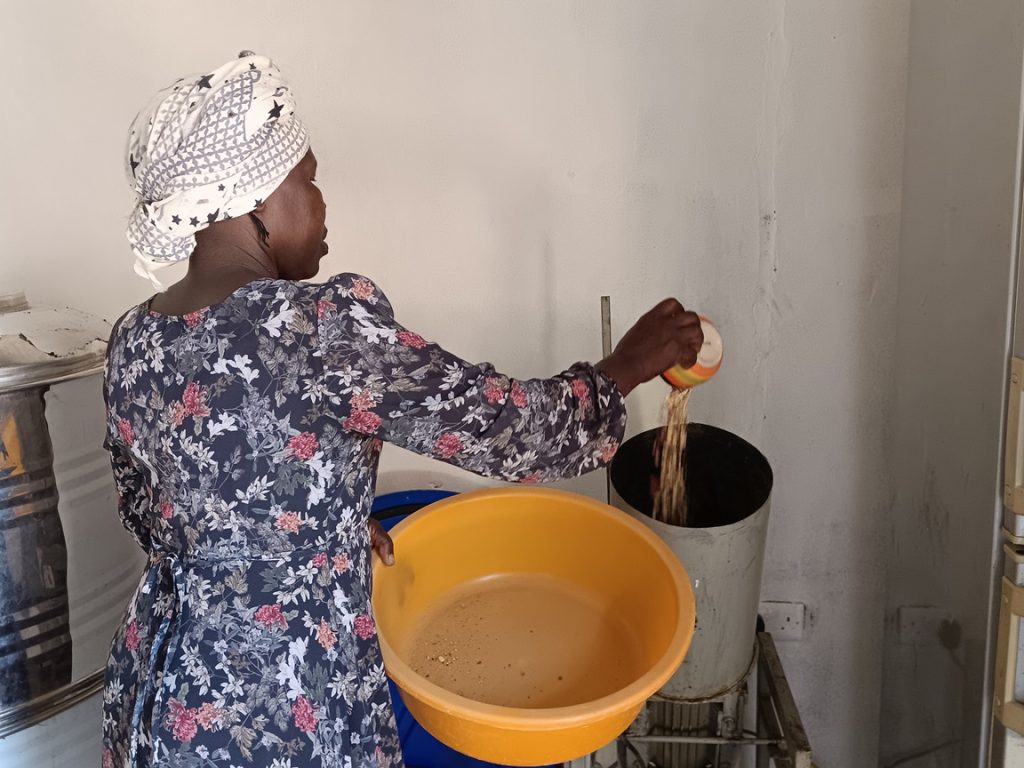
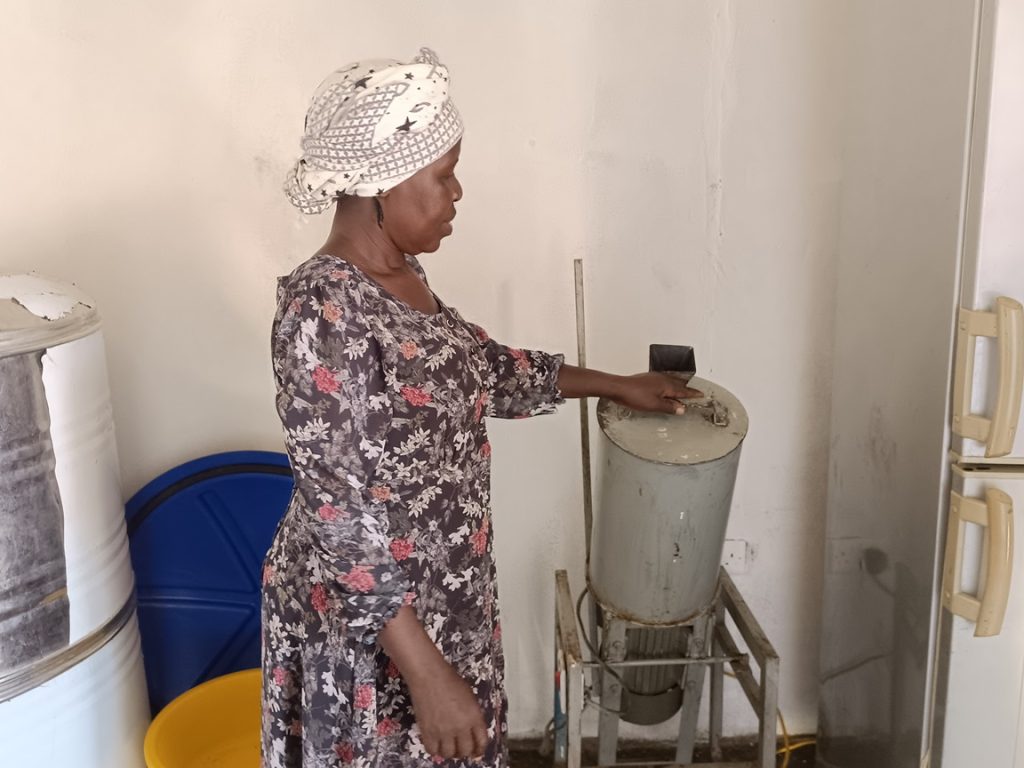
Deborah grinding groundnut into peanut butter for sale
As Deborah’s success story continues to unfold, it stands as a testimony to the power of sustainable agriculture in empowering individuals and communities alike. Already, more than ten neighbors have expressed interest in learning from her garden, underscoring the ripple effect of positive change initiated by her journey.

Leave A Comment